


Source: DMagazine: By Ben Swanger
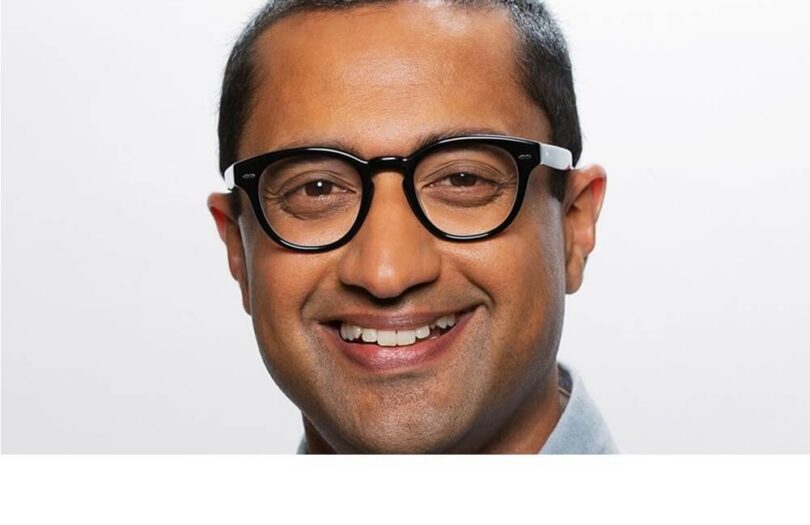
Not many restaurant turnarounds have been as dramatic as Chili’s. Four years ago, the 1,100-unit casual dining chain averaged about $3 million in annual sales per restaurant. Today, that figure is $5 million. The brand’s parent, Brinker International, has added several billion dollars in market cap and grown its workforce from roughly 55,000 employees to more than 80,000. Plus, Chili’s recently marked its 20th consecutive quarter of same-store sales growth. Kevin Hochman, CEO of Brinker, which also owns Maggiano’s, has led the ascent. But Brinker’s CMO and EVP George Felix has put Chili’s back into the cultural conversation.
Dubbed by Ad Age as the “turnaround king,” Felix arrived as a pre-med student at Notre Dame—but he failed freshman chemistry. He switched to business, landed in IT at Abbott Laboratories, then realized the work wasn’t a good fit either. An MBA at North Carolina led to a marketing internship at P&G—and a seemingly undesirable assignment: Old Spice.
The men’s grooming brand had fallen out of favor and was nearing deshelving at Walmart and Target. “When a brand literally has ‘old’ in the name, it makes it challenging to modernize,” Felix says. He joined the team behind “The Man Your Man Could Smell Like.” Built around the insight that women purchase 60 percent of men’s body wash, the campaign helped transform Old Spice into the No. 1 men’s body wash brand. Fifteen-plus years later, Felix points to it as proof of “the power of creativity to solve major business problems.”
After P&G, Felix joined Yum! Brands, where he helped revive Colonel Sanders after nearly two decades off TV. Celebrity Colonels like Rob Lowe, Jason Alexander, and Reba McEntire helped reintroduce the brand. During his tenure, KFC grew sales three straight years.
After a brief stop at Tinder, Felix joined as Chili’s CMO in 2022. By then, the brand had largely abandoned brand advertising in favor of delivery partnerships and rewards-app discounts. “The brand lost relevance,” says Felix, who was recently promoted to oversee marketing for all of Brinker. “You could stop nine of 10 people on the street, and they would know Chili’s, but if people aren’t hearing about you, they’re not talking about you.”
The turnaround began long before the commercials returned. Chili’s simplified operations by cutting roughly a quarter of its menu, invested heavily in staffing, upgraded core food items, and refreshed its $10.99 “3 for Me” meal. Only then did Felix begin rebuilding the brand with advertising, starting with a March Madness campaign. “We didn’t pour $100 million into marketing overnight,” he says. “We started small, proved it worked, got some points on the board, and then grew the investment year after year.”
Social media was the next breakthrough. Felix expected Chili’s new Big Smasher burger to dominate the conversation when it hit restaurants in 2024. Instead, TikTok users rediscovered the decades-old Triple Dipper, turning mozzarella cheese pulls and dipping combinations into viral content. Rather than fight it, Chili’s leaned in. “We needed to pour gasoline on this,” Felix says. Today, the Triple Dipper accounts for roughly 16 percent of Chili’s total sales. The lesson: “We have to take a lot of swings because, especially on social media, you never know what’s going to resonate.” Not every swing connects. A campaign featuring competitive eater Joey Chestnut fizzled.
Felix’s philosophy is simple: campaigns should never chase attention for attention’s sake. Every commercial, partnership, and social post should reinforce what the brand stands for. His social team, for a period, aimed to become the most talked-about restaurant brand online. “Then we crossed out ‘restaurant,’” he says. “Our new goal? To be the most talked-about brand. Period.”
How to Make a Brand Stick
The Chili’s CMO says the key to breakthrough marketing is creative storytelling.
The biggest mistake marketers make, George Felix says, is chasing attention before defining their identity. At Chili’s, every campaign begins with a single question: What do we want people to know us for? Once that answer is clear, creativity becomes much easier. A partnership with Tecovas, the return of the “Baby Back Ribs” jingle, a courtroom stunt in New York, and countless viral social posts may seem unrelated, but they all reinforce the same idea: Chili’s delivers value. “We never want to do something just to get attention,” Felix says. “We want to be doing something that ties back to the story we want to tell.” For Felix, memorable marketing isn’t about having the loudest voice. It’s about telling the same story in fresh ways until customers can repeat it for you.