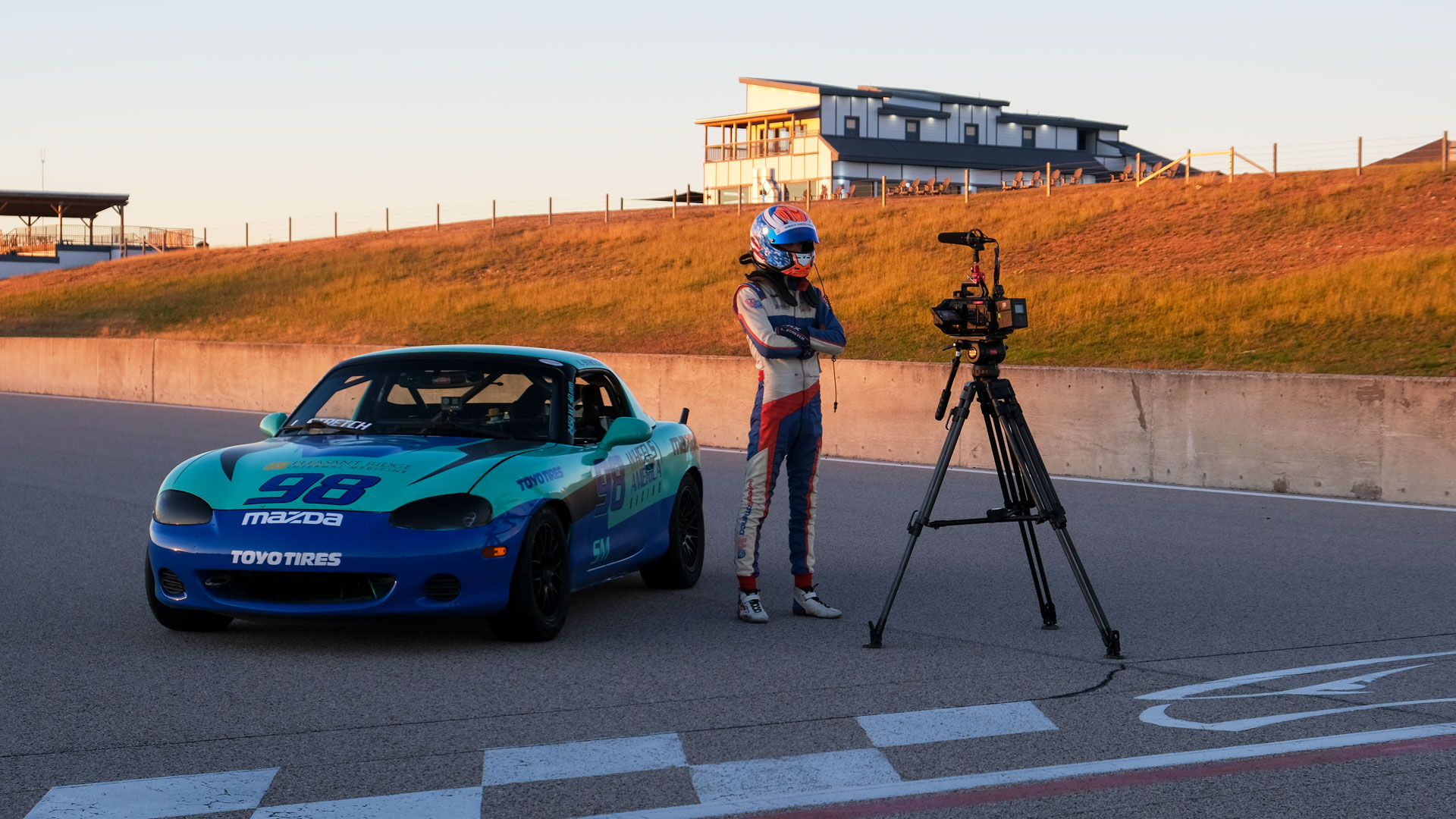


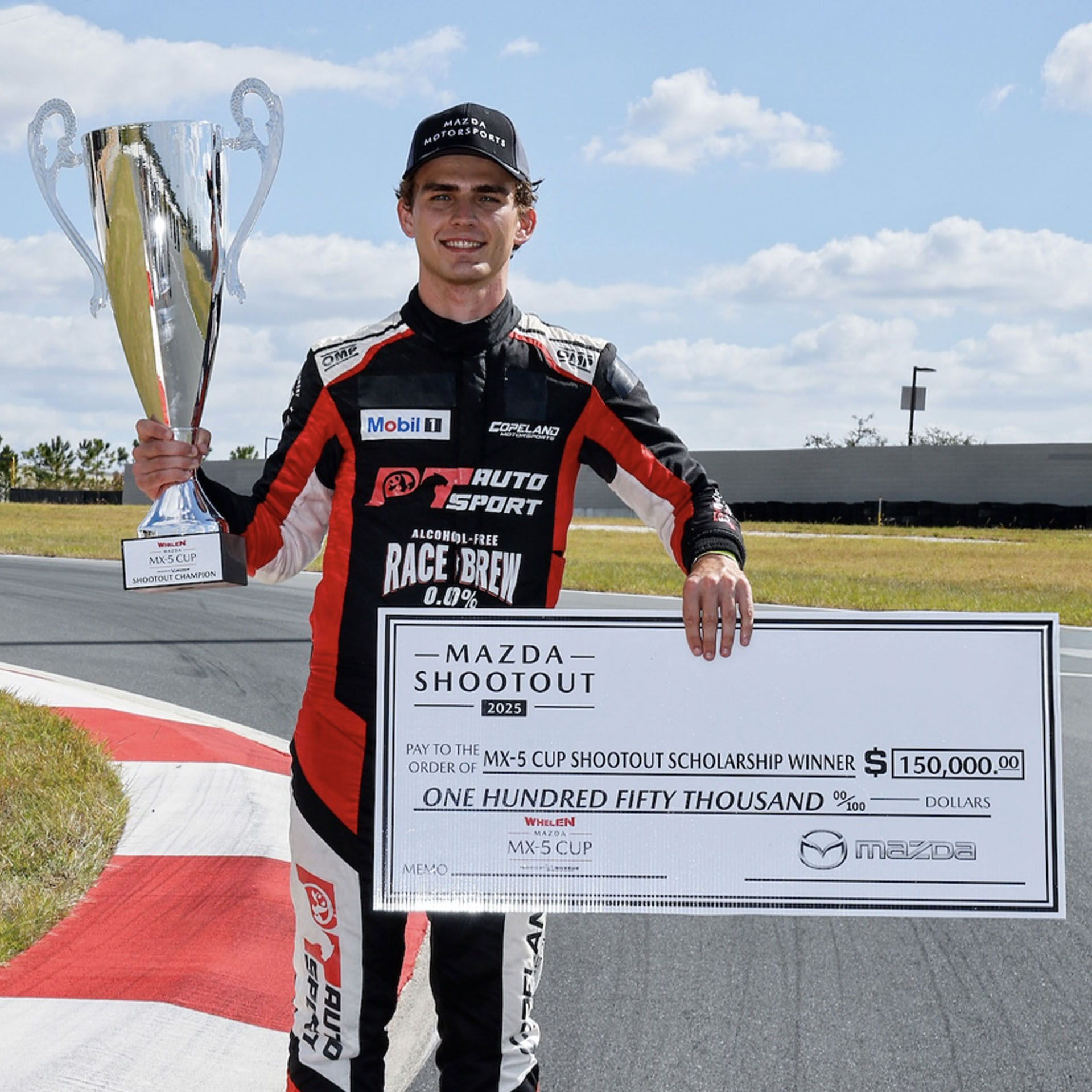
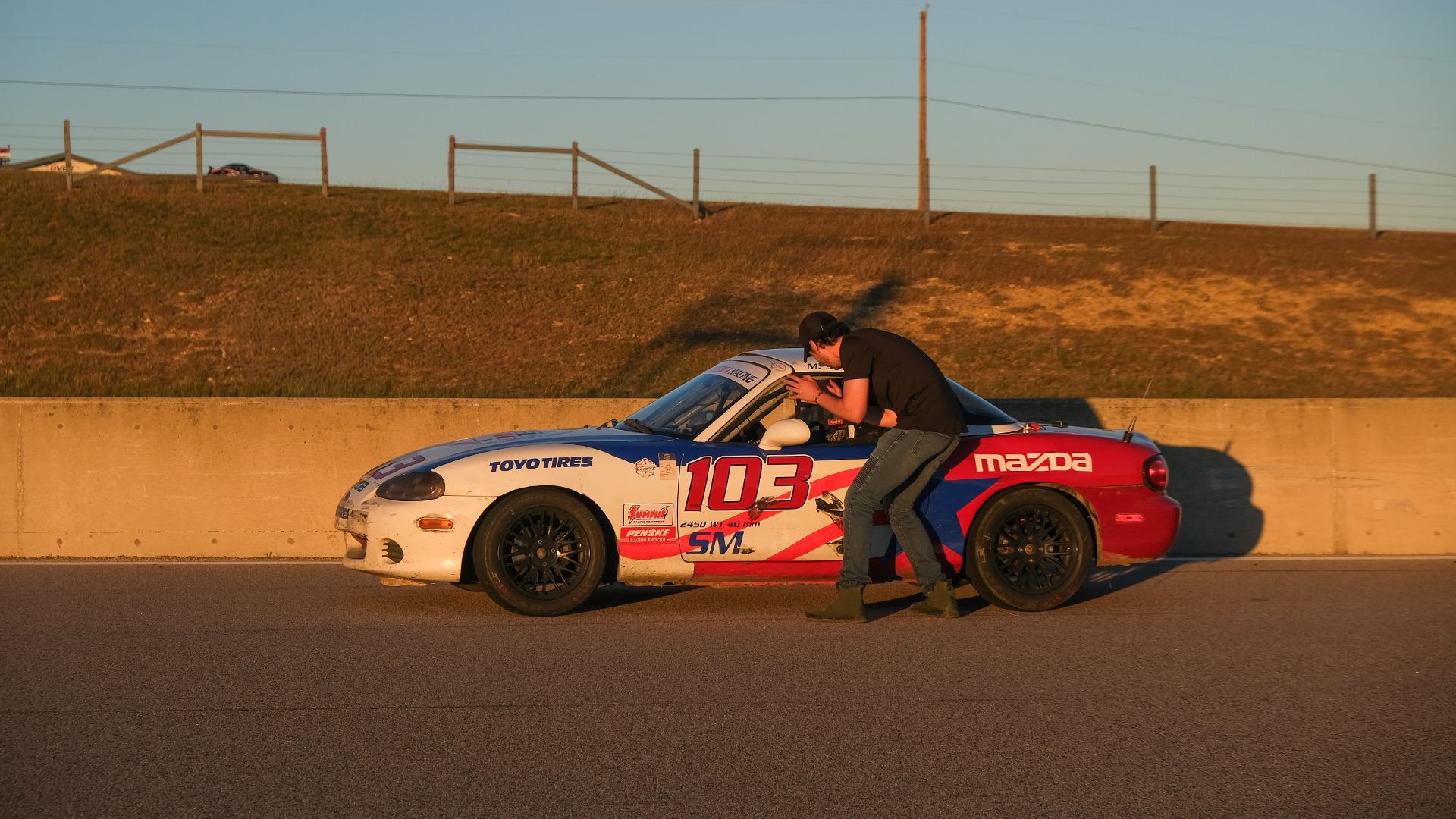
The Groove Jones team traveled to Eagles Canyon Raceway in Decatur, Texas to document racer Max Stallone during the NASA Texas Toy Run race. An Austin-based driver racing with Wheels for America, Max closed out a strong season with a first-place finish in the Spec Miata class, earning additional championship points and scholarships to continue racing. He will be making his professional debut at The Whelen Mazda MX-5 Cup races in the season opener at Daytona International Speedway (Daytona Beach, FL) January 21-23, 2026, with Race 1 on January 22nd and Race 2 on January 23rd, supporting the Rolex 24 weekend.
The Opportunity
Because this race marked the end of the season, the production team was given access that is not typically available during championship events. We were able to film during practice sessions, qualifying, and race day, and mount cameras both inside the car and trackside.
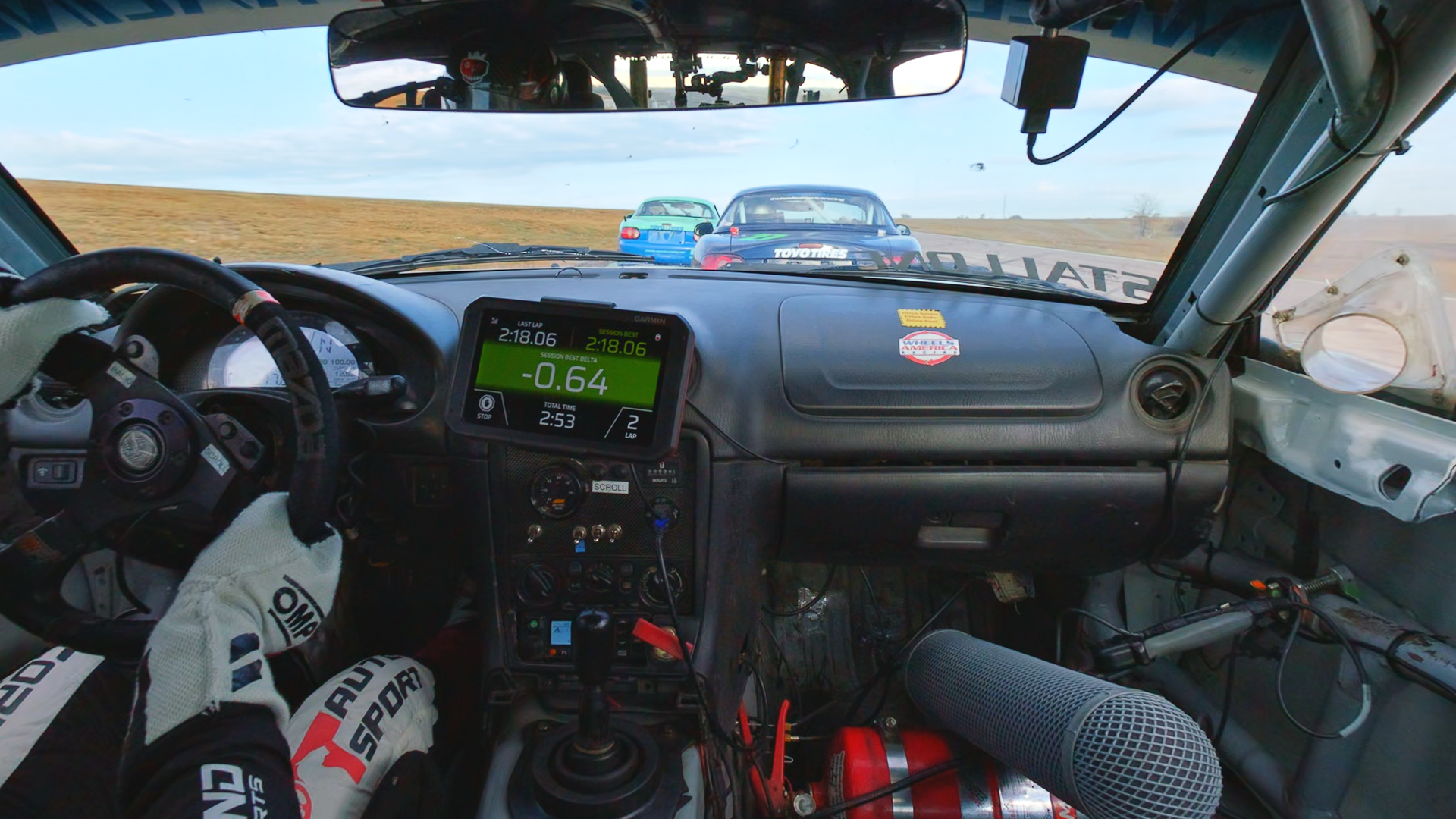
This access allowed us to approach the project as an immersive documentary rather than a traditional race highlight, focusing on the experience of racing as it happens.
Creative Approach
The creative goal was to place the viewer as close to the racing experience as possible without overproducing the story. Rather than relying on race graphics or commentary, the film focuses on real moments from the weekend.
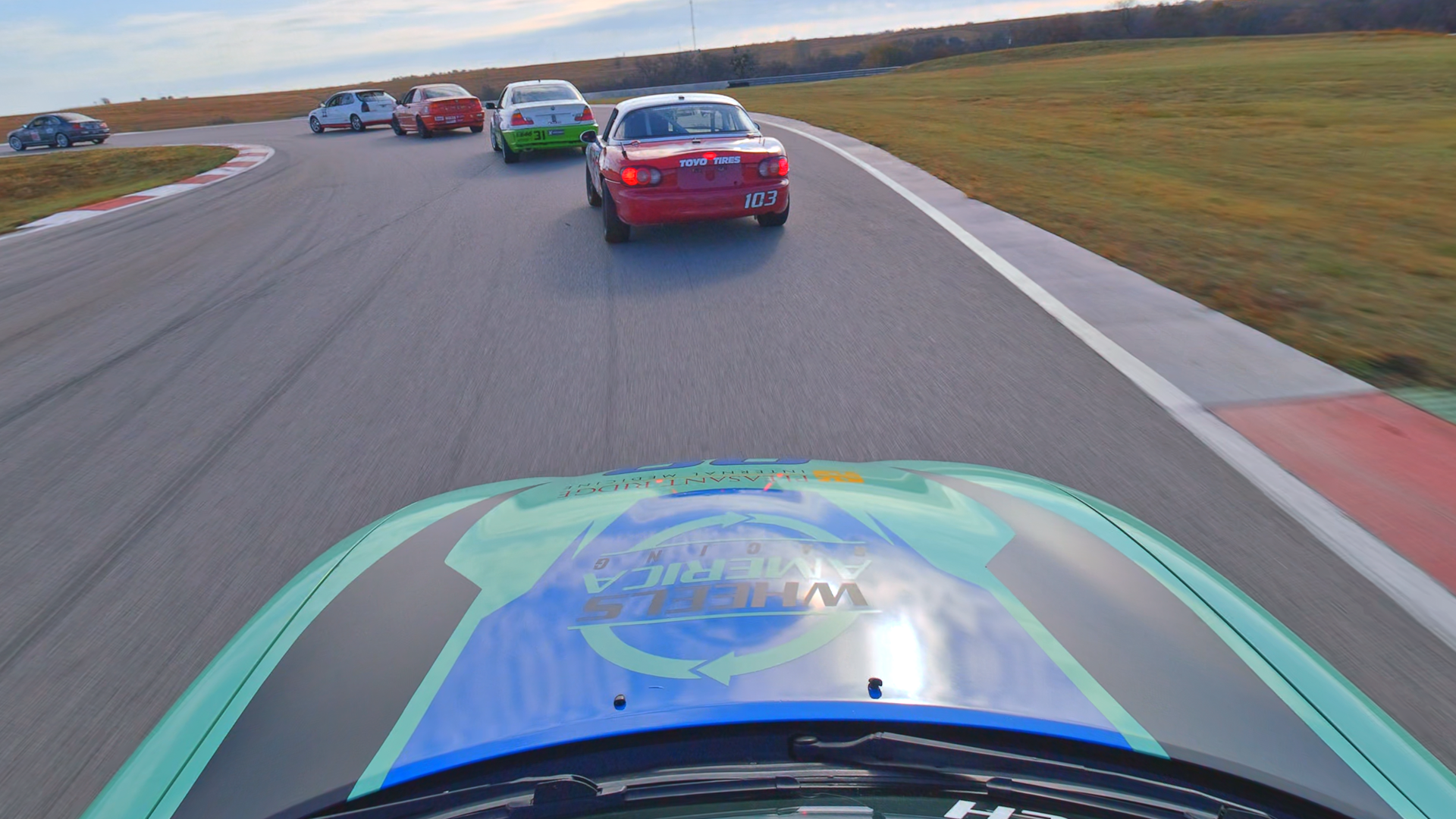
Interviews were captured in garages, pits, and downtime between sessions, featuring Max, his teammate Logan Stretch, their parents, and Carl, the team’s lead mechanic. These conversations provide context around preparation, teamwork, and the realities of racing at a semi-professional level.
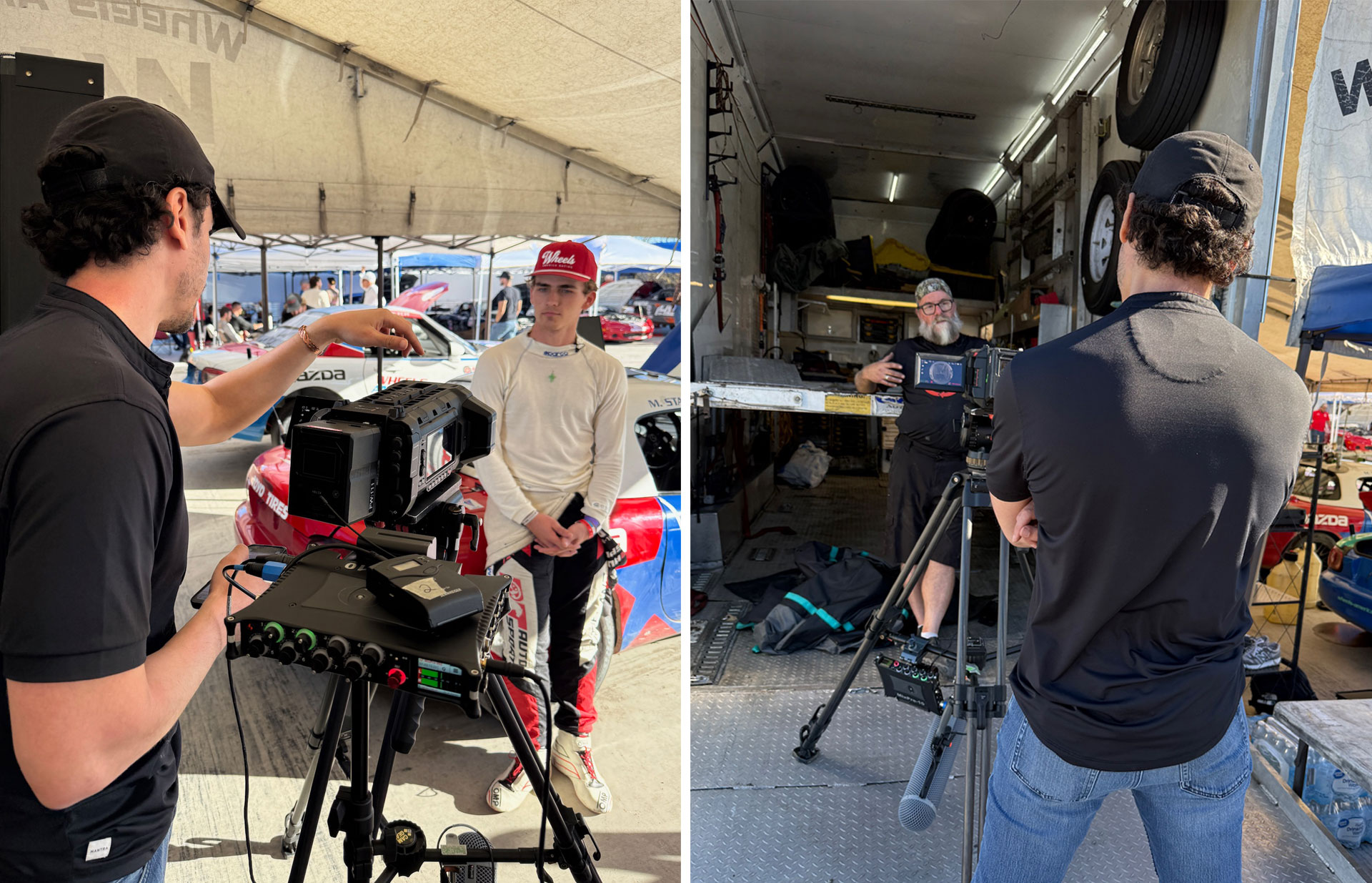
The pacing of the film alternates between interviews and in-car footage, allowing viewers to understand what is happening on track while staying connected to the people involved.
Capturing the Race
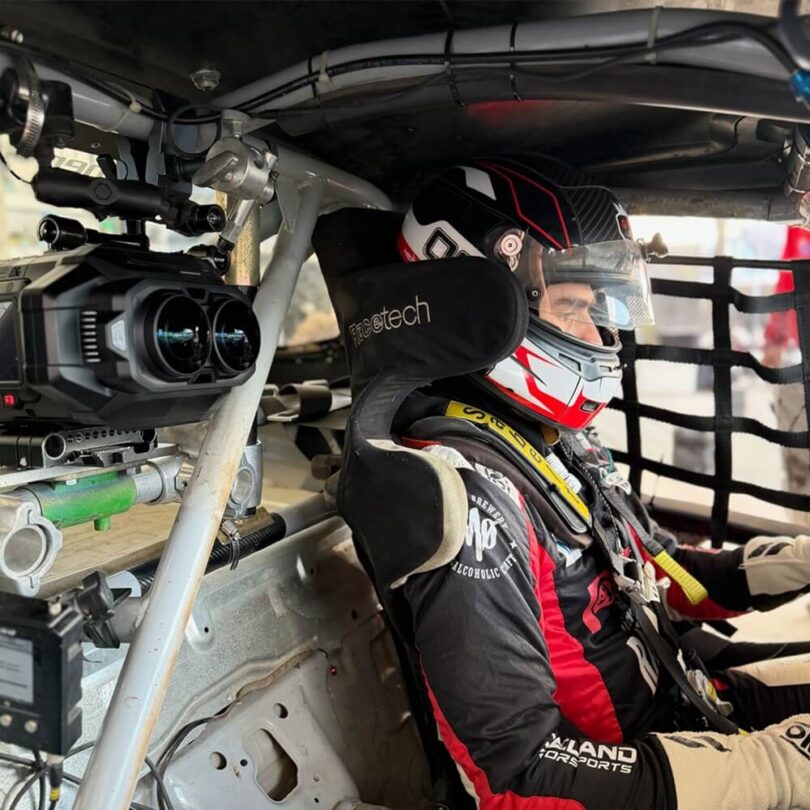
The entire weekend was filmed using the Blackmagic URSA Cine Immersive camera system, co-designed by Apple and Blackmagic Design for Apple Vision Pro. Motorsports moves quickly, and traditional cameras often flatten the sense of speed and proximity. The URSA Cine Immersive allowed us to capture fine detail, accurate color, and smooth motion in a way that holds up even at high speeds.
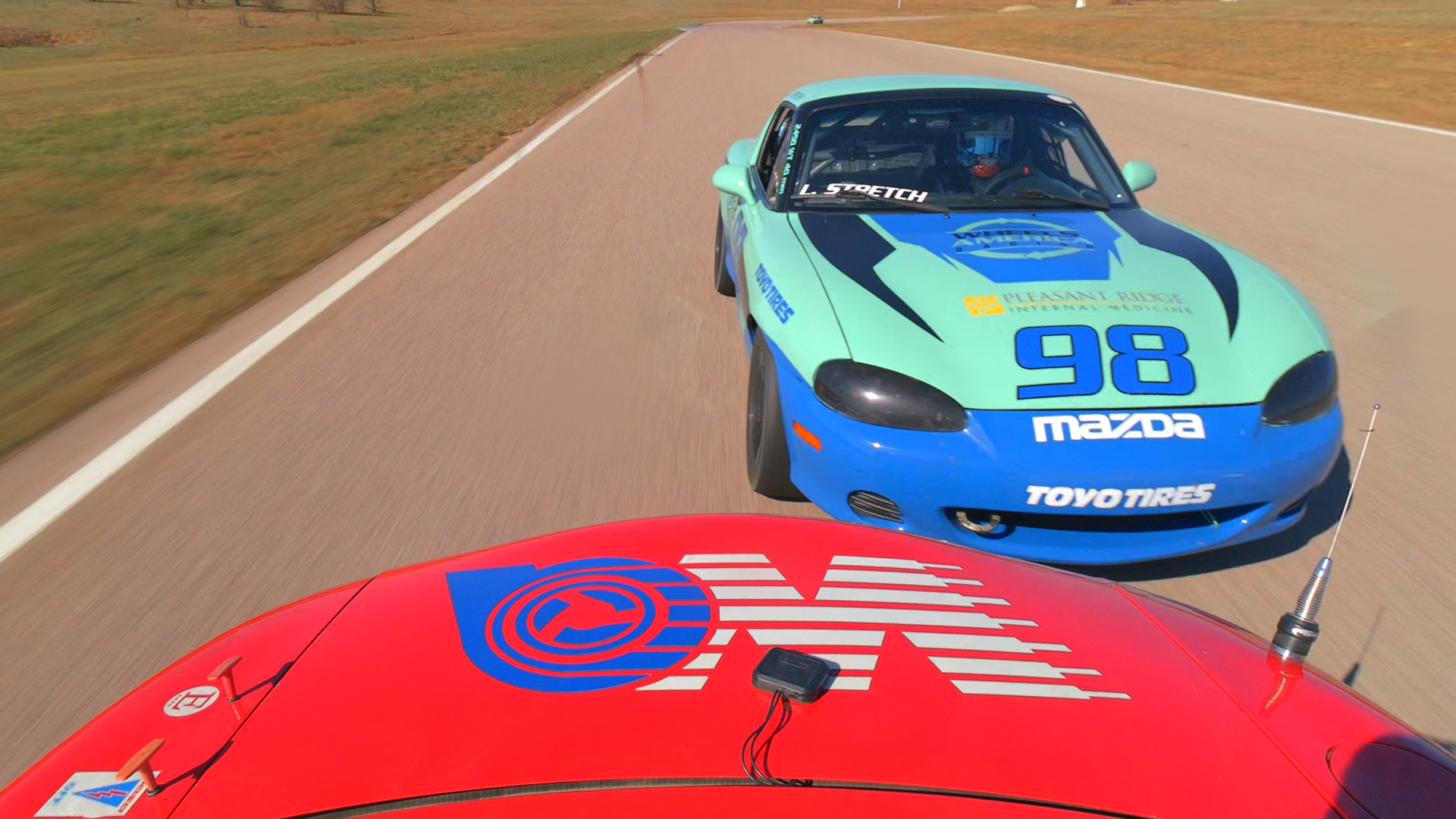
The camera records ultra-high-resolution stereoscopic footage with high frame rates and 12-bit HDR color, preserving both subtle lighting changes and fast-moving action. This level of image quality was especially important when filming inside the car, where lighting conditions shift rapidly and vibrations can quickly degrade lesser systems.
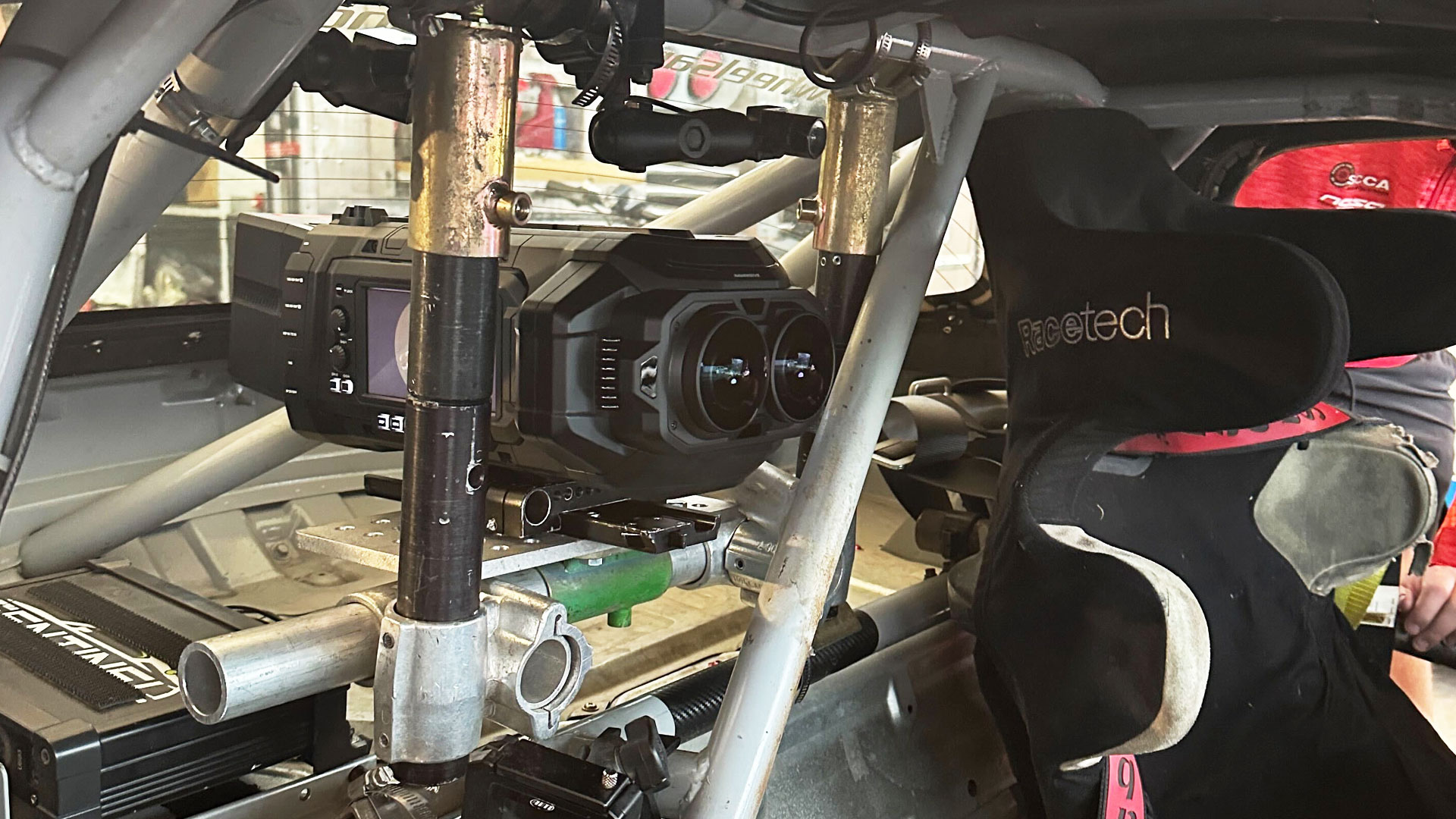
During practice and qualifying sessions, the camera was mounted directly to Max’s Spec Miata, capturing a true driver’s-eye perspective of the track. The system’s resolution and motion clarity helped maintain a sense of depth and realism, particularly when viewed on Apple Vision Pro, where small details like track texture, steering inputs, and relative speed become immediately perceptible.
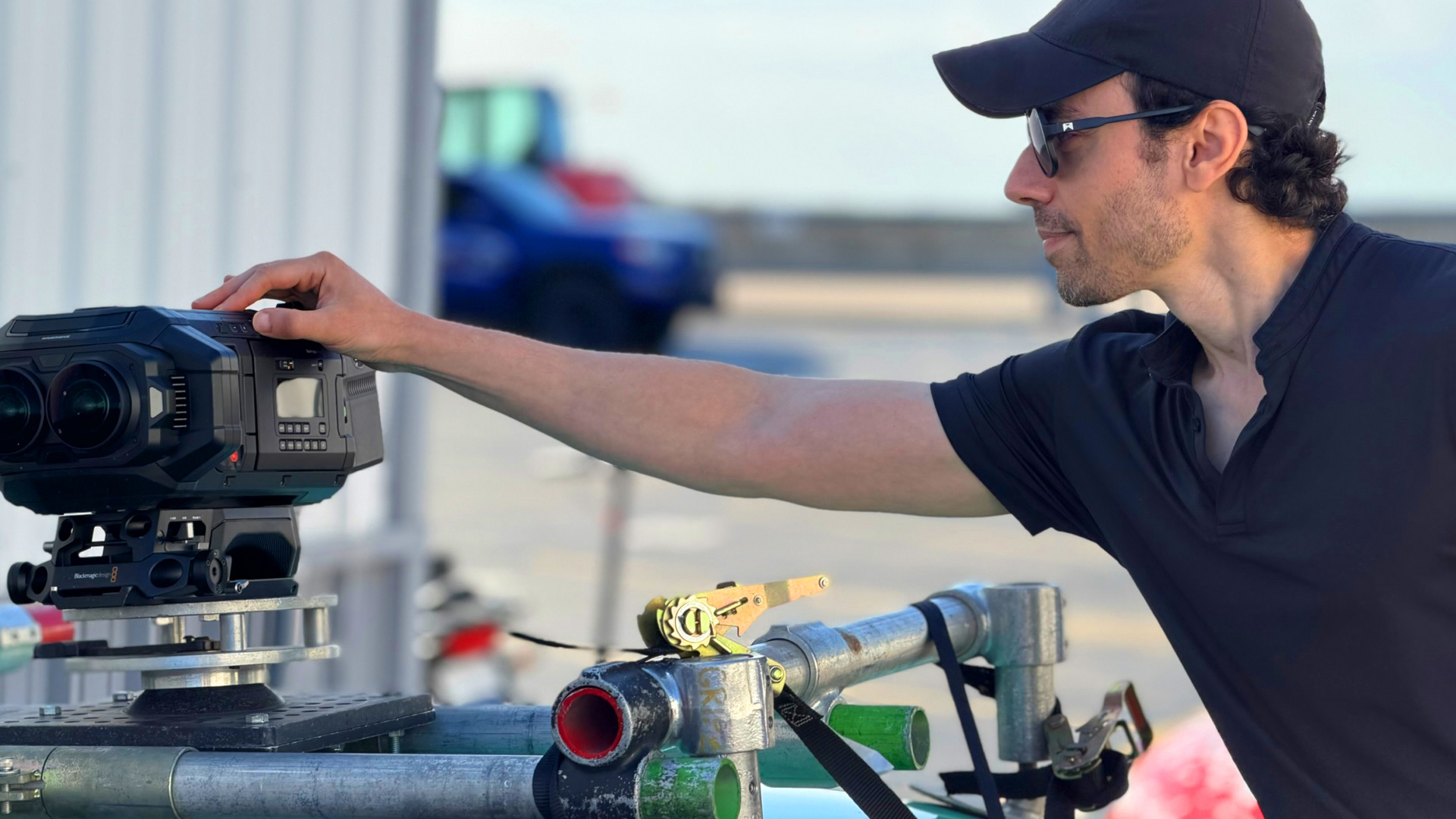
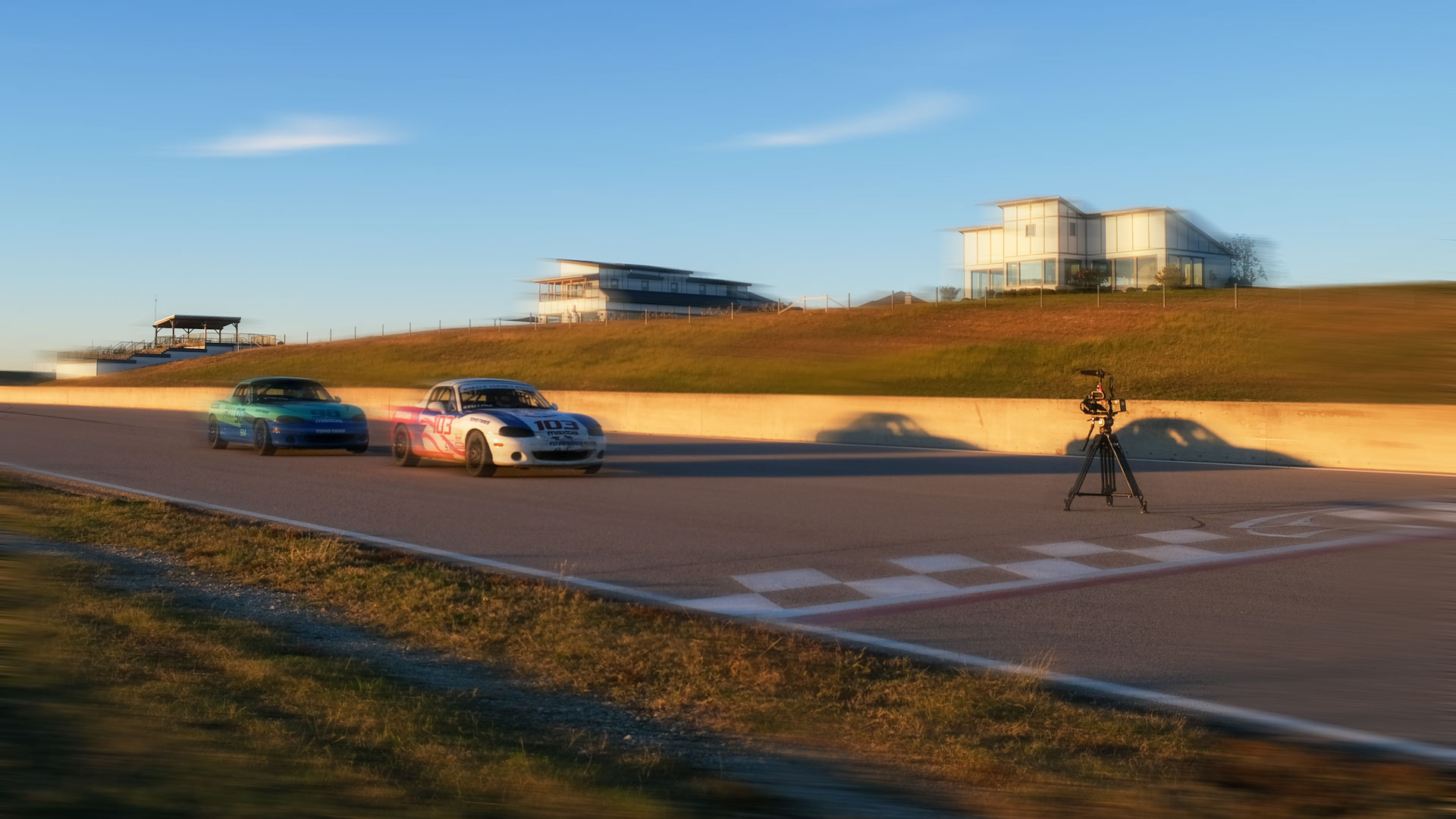
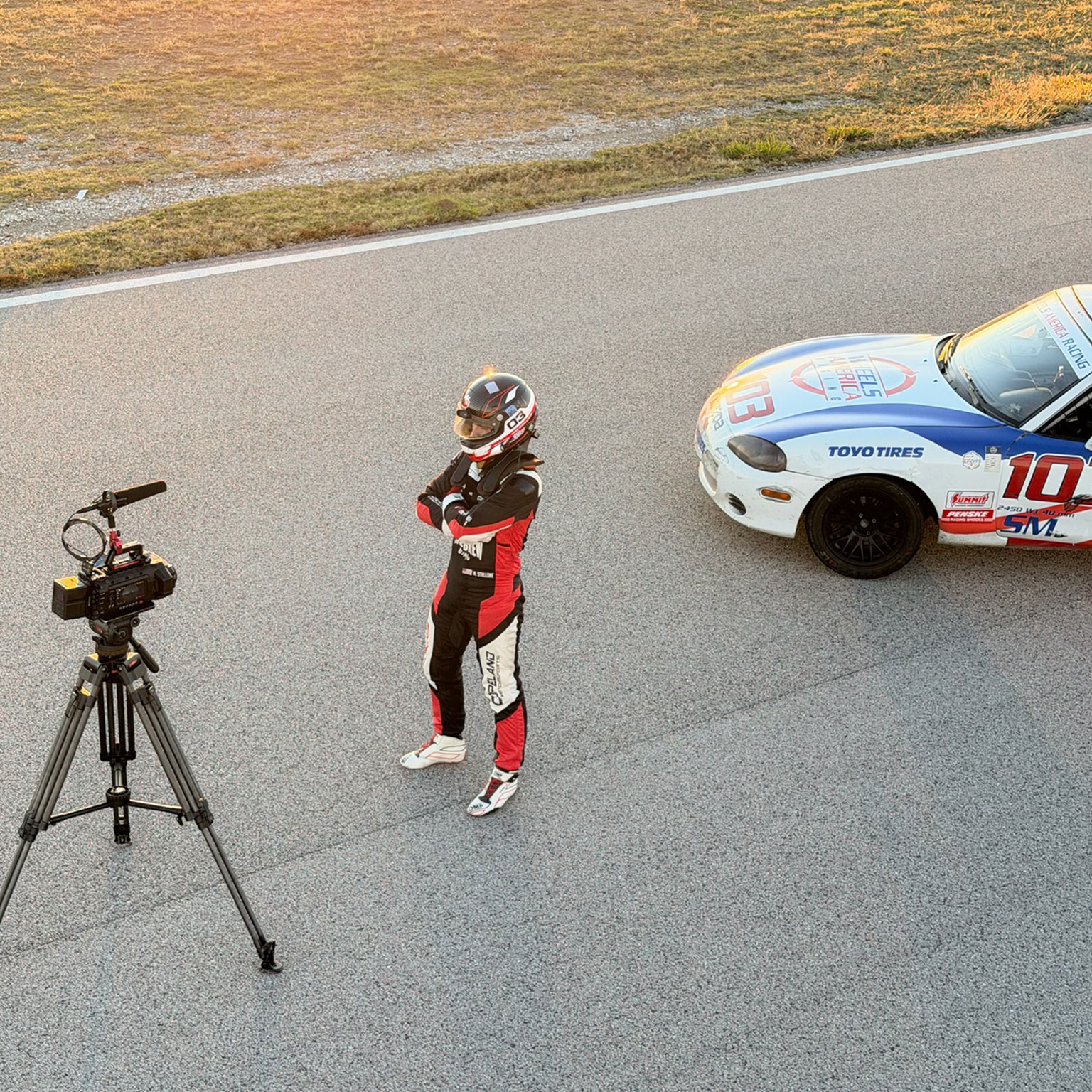
On race day, the camera was repositioned trackside to document the event from an external point of view. This allowed us to balance immersive in-car footage with a broader view of the race environment, creating a clear and grounded record of Max’s performance.
Technical Execution
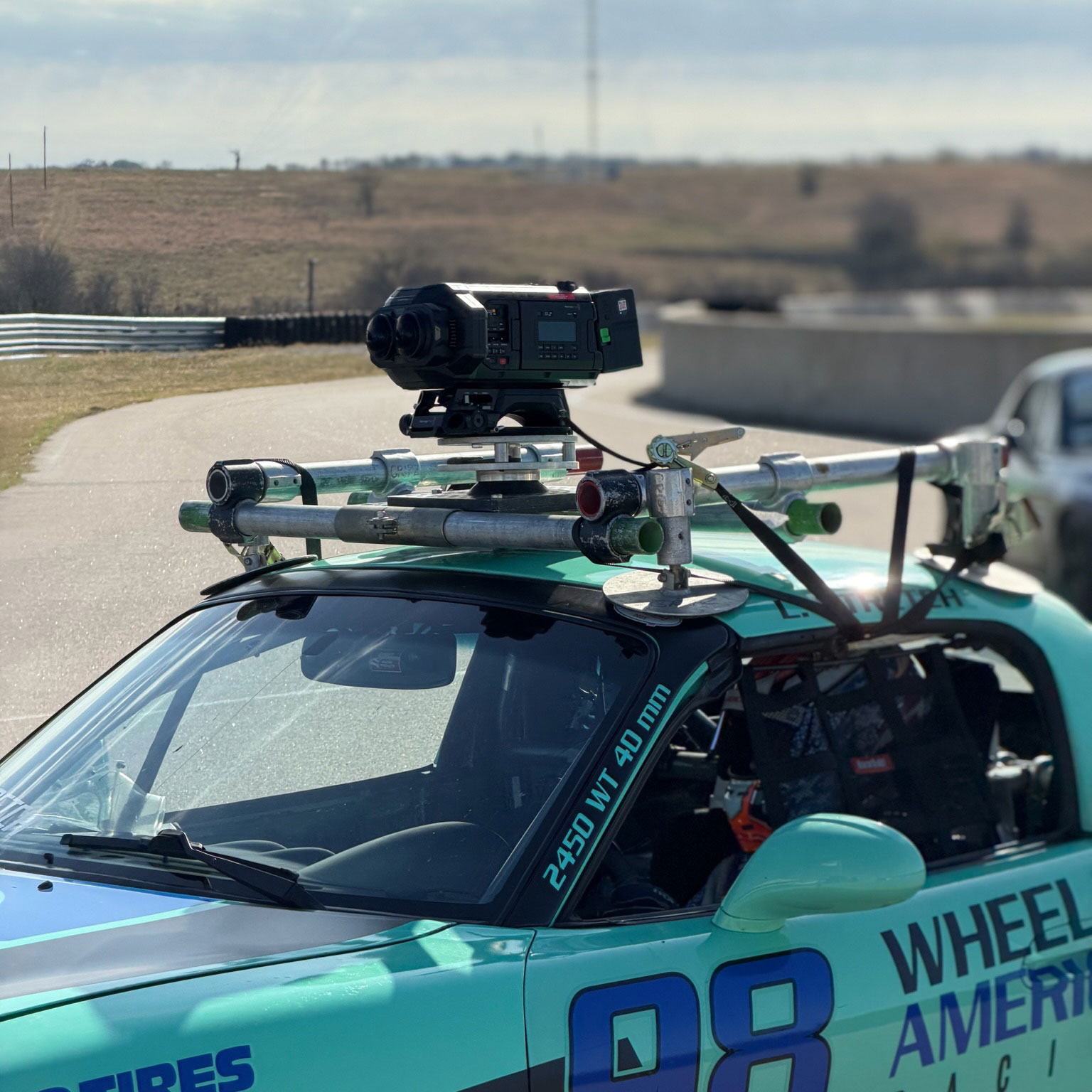
Mounting an immersive camera system to a race car presents challenges related to vibration, stability, and safety. To address this, Groove Jones hired Richard Ball, an experienced camera rigger who has worked on multiple NASCAR productions.
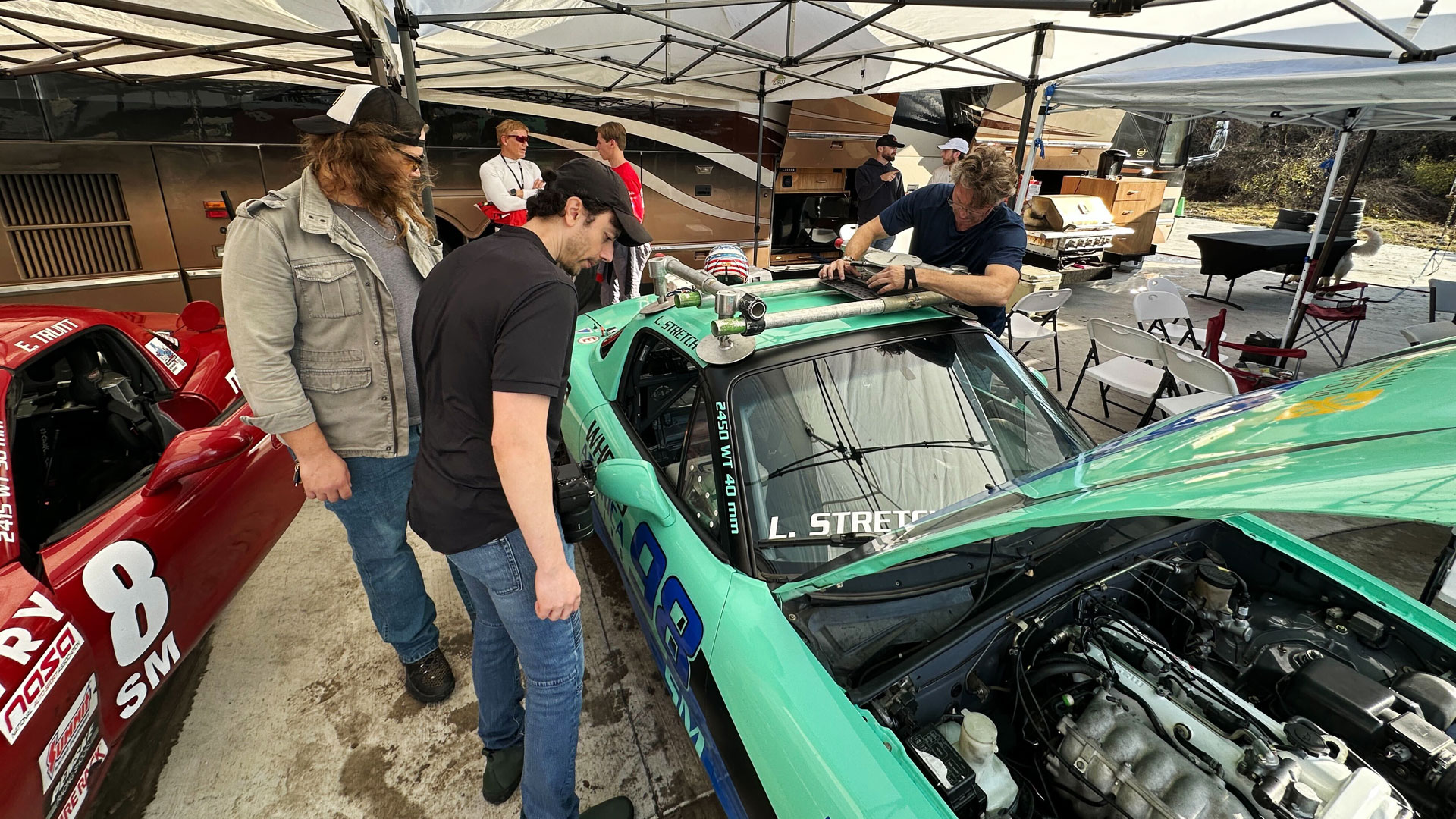
Richard assisted in developing secure mounting solutions and adjusting camera placement throughout the weekend. Each session required small changes to account for speed, track conditions, and safety considerations. Despite concerns around vibration, the footage remained stable and usable, allowing the editorial team to focus on storytelling rather than technical fixes.
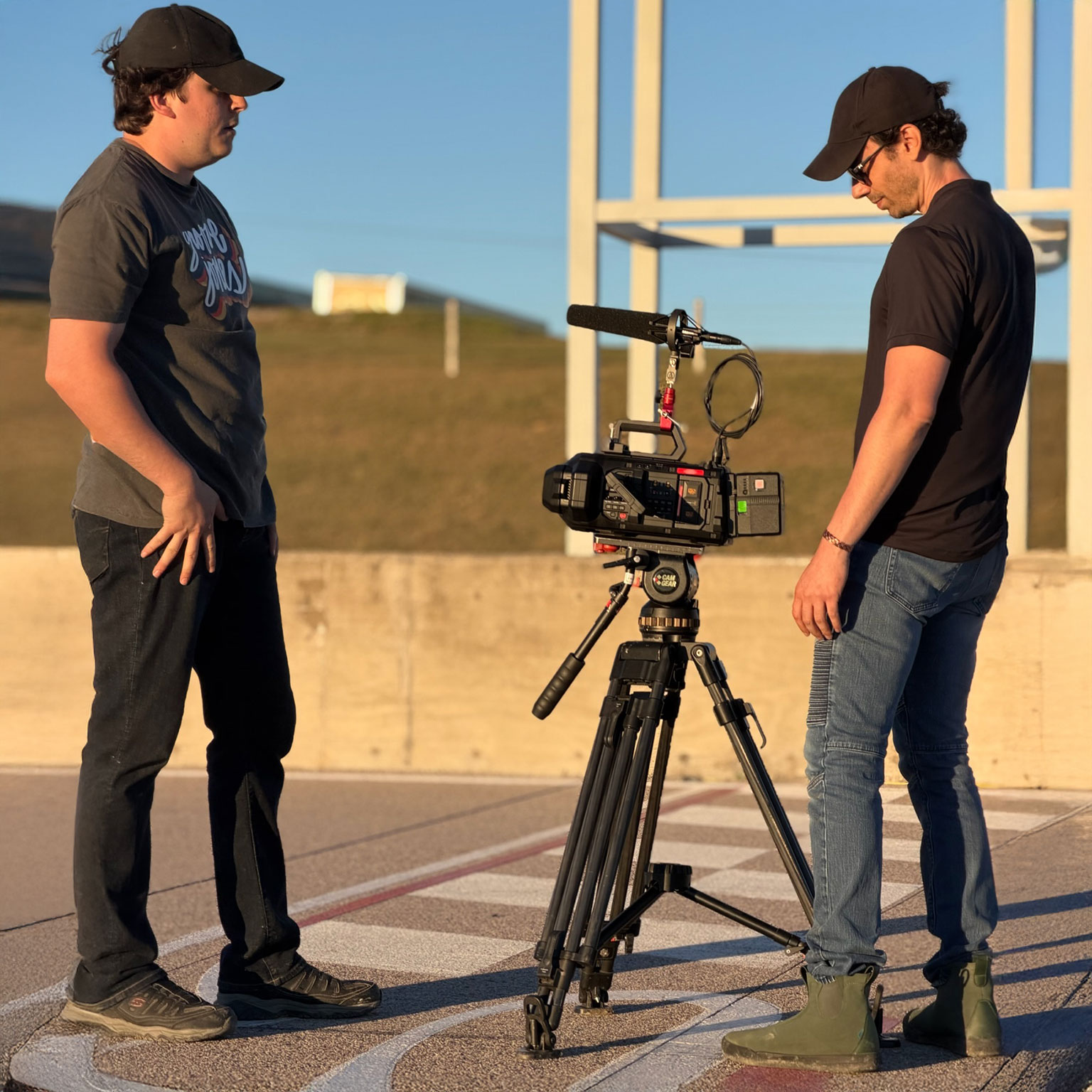
Audio
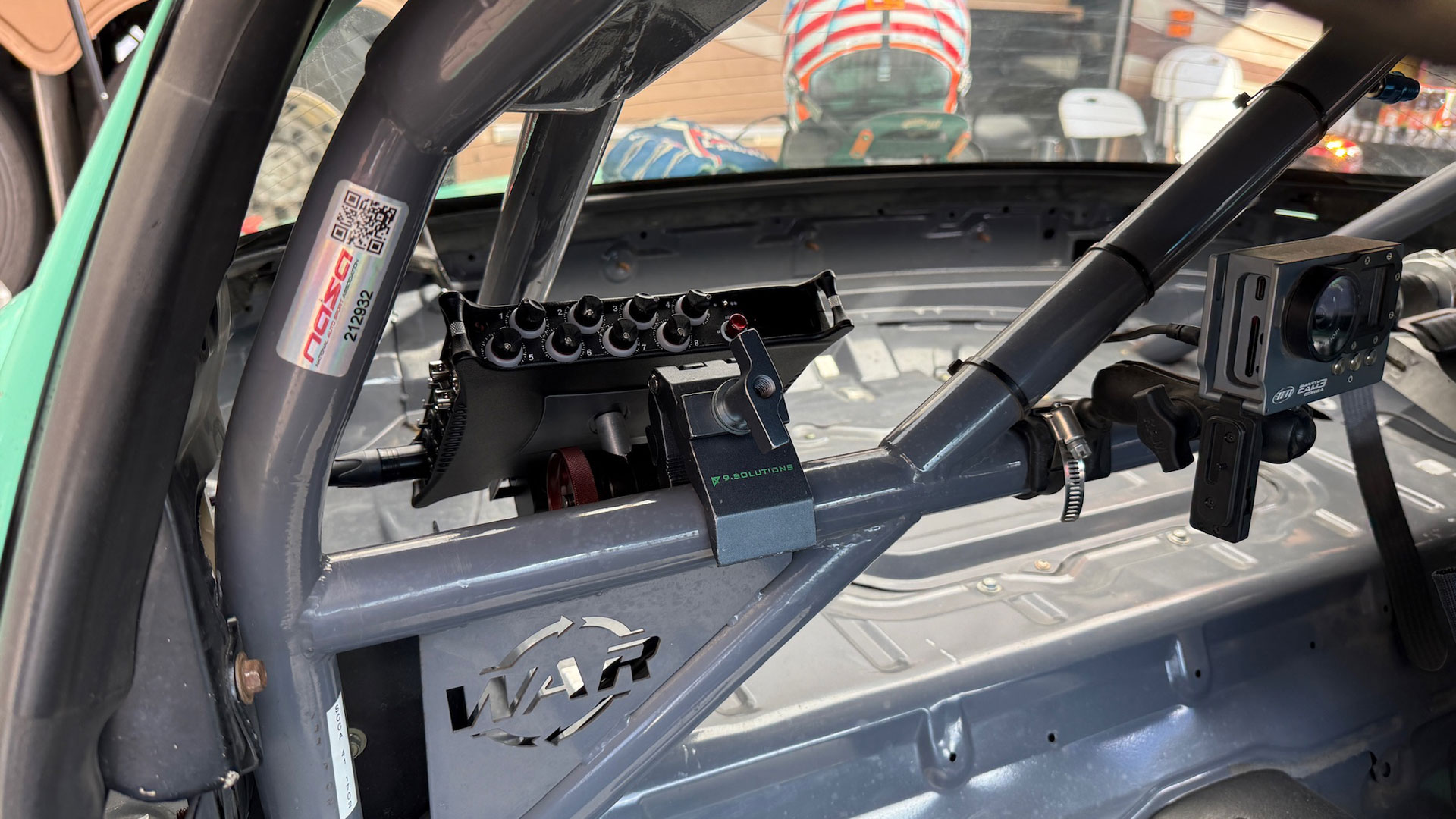
To support the immersive visuals, Groove Jones Audio Lead Andrew Carman recorded ambisonic audio during the race weekend. Using an ambisonic microphone setup, he captured spatial sound from both the car and the surrounding track environment.
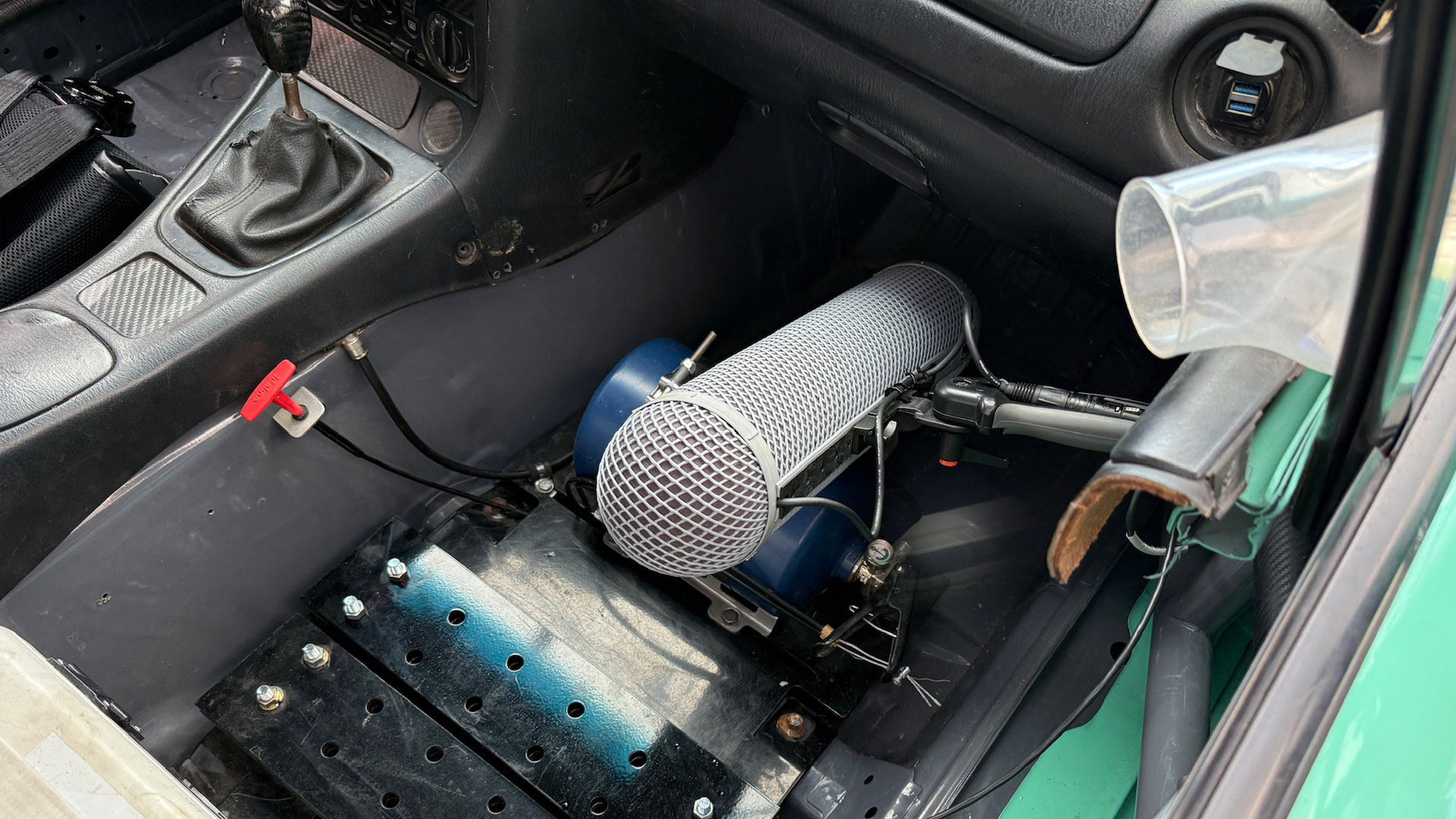
This approach allows engine noise, wind, and track ambience to be positioned naturally in space, enhancing realism when viewed in an immersive format.
Editorial and Story
Karim Youssef, the editorial lead, meticulously crafted the footage into a concise documentary centered around the race weekend. Utilizing multiple camera angles, immersive footage, and interviews, the challenge lay in organizing the material into a coherent and captivating narrative.
The final edit emphasizes progression through the weekend, from preparation and practice through race day, keeping the focus on process rather than spectacle.